Psychedelics & Religious experiences: A BOOK REVIEW
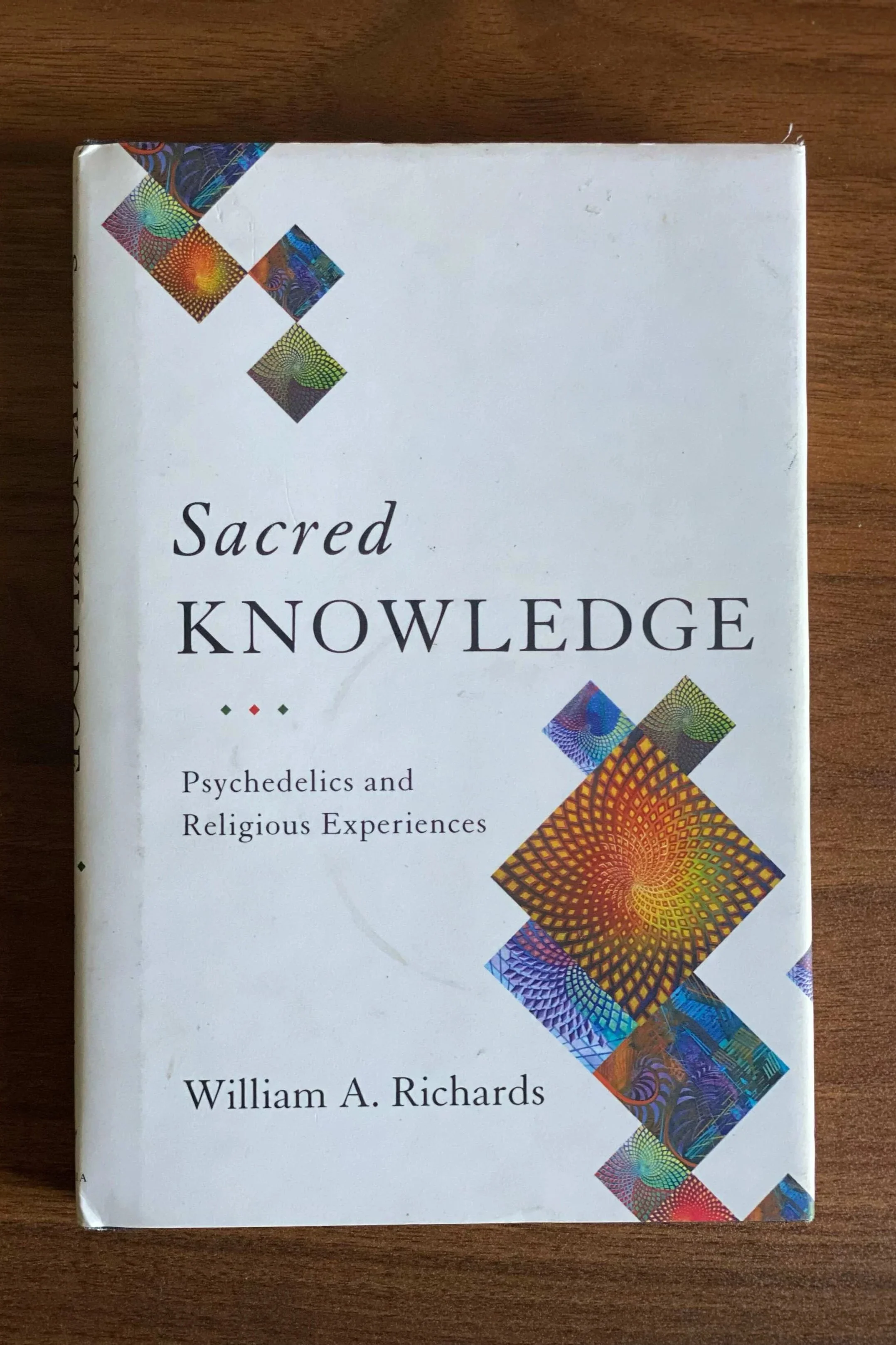
Bill Richards’ Sacred Knowledge is not a manifesto, a hype-driven endorsement of psychedelics, or a rebellion against religion. It is something far rarer: a careful, morally grounded account of what decades of responsible psychedelic research have revealed about human consciousness, healing, and meaning.
Richards writes as both a clinical psychologist and a quiet steward of experiences that defy easy language. Drawing from early LSD research in the 1960s, his work at Spring Grove, Saskatchewan, and later at Johns Hopkins, Sacred Knowledge documents what happens when psychedelics are administered with intention, preparation, and respect for the depths of the human psyche.
The book is as much about how these experiences are held as what they reveal.
One of the most striking historical reminders Richards offers is how normalized psychedelic research once was. In the mid-1960s, LSD, then called Delysid, was distributed freely by Sandoz to qualified researchers, and an estimated 40,000 participants took part in studies across the United States and Europe. This context alone challenges modern assumptions that psychedelic science is fringe or new.
At the heart of Richards’ work is the observation that under carefully supported conditions, psychedelic experiences frequently occasion states of consciousness long described in mystical literature. In early Johns Hopkins psilocybin studies, roughly two-thirds of participants ranked their experience among the five most meaningful events of their lives, comparable to the birth of a child or the death of a parent. Richards does not sensationalize this. Instead, he asks what it means that such experiences reliably arise and what responsibility accompanies their facilitation.
Throughout the book, Richards carefully distinguishes visionary experiences, where subject and object remain intact, from mystical consciousness, where that boundary dissolves entirely. This distinction matters clinically. Mystical consciousness, he argues, often produces enduring shifts in worldview, motivation, and self-concept, effects that can profoundly impact addiction, depression, end-of-life anxiety, and existential distress.
Richards repeatedly emphasizes that psychedelics themselves are not the healing agent. Healing arises from discrete states of consciousness, skillfully supported, remembered, and integrated over time.
His affirmation to research volunteers, “Trust, let go, be open,” is deceptively simple yet reflects decades of clinical wisdom about surrender, courage, and psychological safety. It’s an affirmation I’ve used as an Intern at the Pearl Psychedelic Institute in Waynesville, NC, for Ketamine participants.
Some of the book’s most powerful moments come from case narratives. A graduate student expecting a vision of God instead sees his neglected children crying for their father. A man with lifelong anger rooted in childhood medical dismissal finally understands the emotional source of his suffering. These stories ground the research in lived human consequence rather than abstraction.
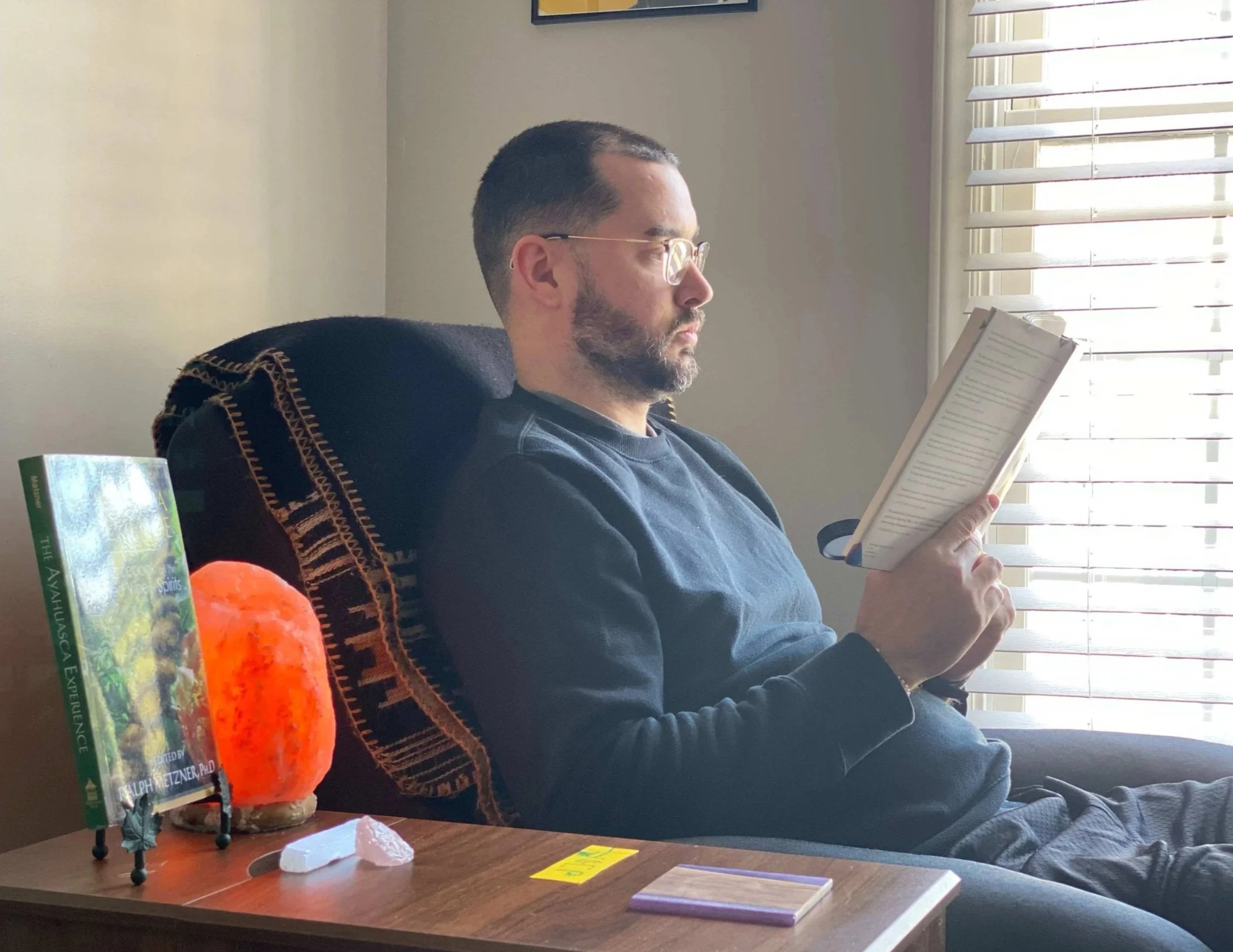
Finishing the book on my birthday.
Richards is also clear-eyed about risks, screening, and ethics. He discusses exclusion criteria, medication interactions, family history of psychosis, and the dangers of ungrounded exploration. He rejects simplistic brain-based explanations of consciousness and instead invites humility. The data consistently challenge the assumption that consciousness originates solely in the brain.
Equally important is Richards’ treatment of integration. Integration, he writes, is not a single session or worksheet but an ongoing, intentional movement between insights gained in altered states and the responsibilities of everyday life. Without this process, even profound experiences can become destabilizing rather than healing.
Ultimately, I see Sacred Knowledge as a book about moral responsibility.
Richards argues that the safe and productive exploration of consciousness demands trust, courage, openness, and interpersonal grounding from both the participant and the guide. The ideal therapist, he suggests, is not an authority figure but someone transparent, allowing for transcendence.
For readers new to psychedelic science, Sacred Knowledge provides a grounded and historically informed entry point. For clinicians, educators, and policymakers, it provides a sobering reminder. These substances are not shortcuts or tools to be optimized but catalysts that amplify whatever ethical container holds them.
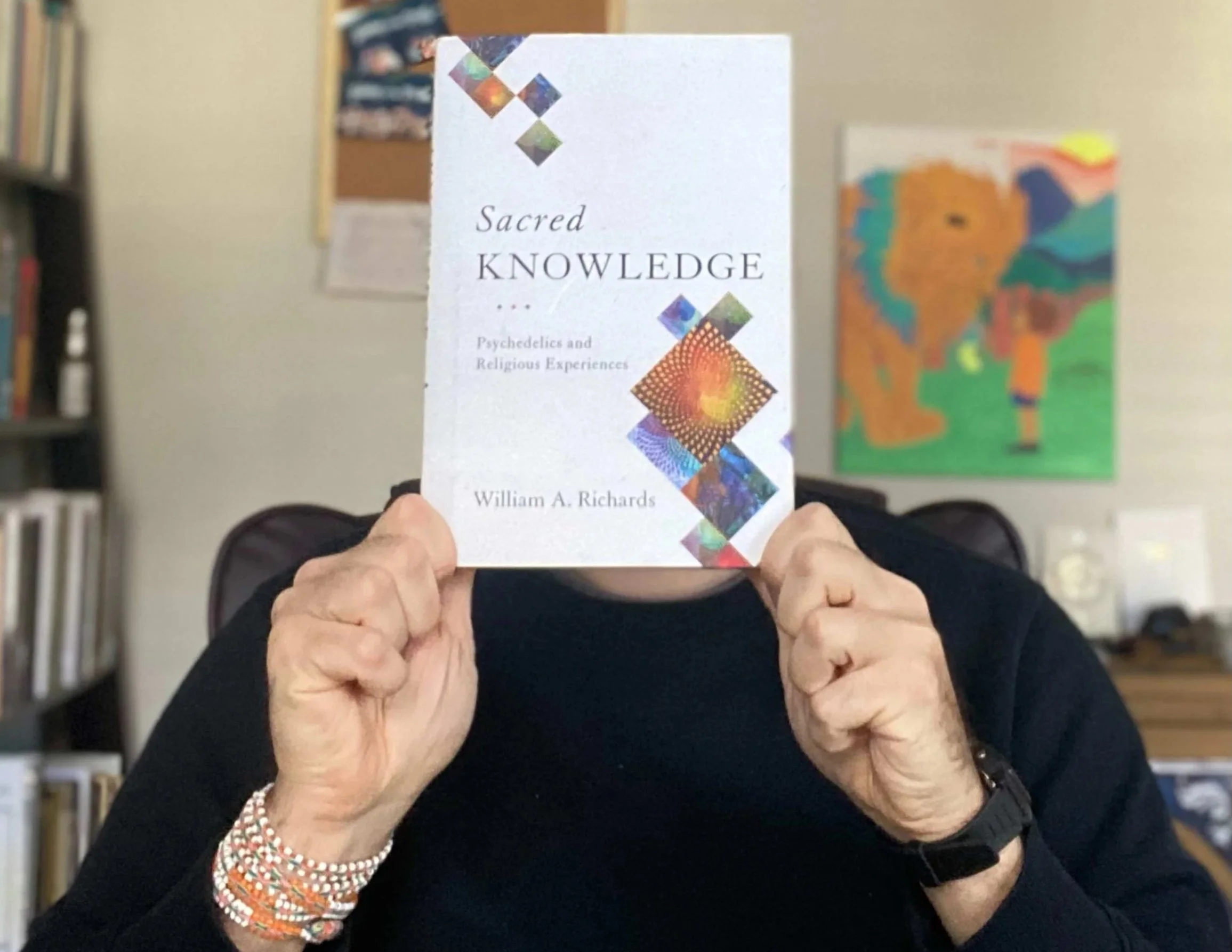
This is not a book that tells you what to believe. It is a book that asks whether we are mature enough, as individuals and as a society, to listen to what human experience has been trying to tell us for centuries.

Consider attending our virtual monthly Town Hall series “Hollers & Horizons”, click the image or the button below